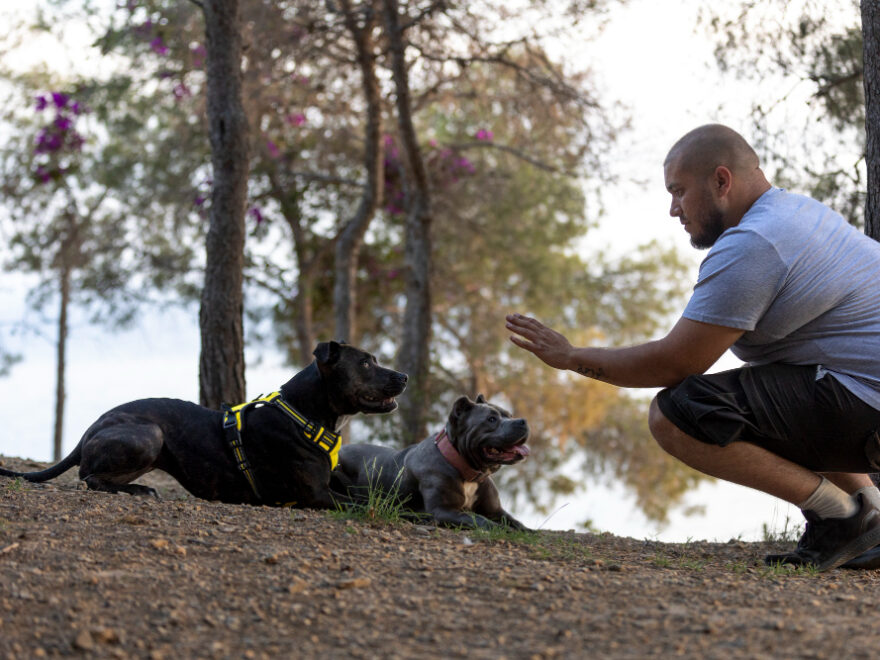
Having a dog is rewarding, but it also comes with responsibility. A well-trained dog is easier to manage, more enjoyable to take outdoors and generally more comfortable around people and other animals. Whether you have a new puppy or an older dog with established habits, investing in k9 obedience training can make everyday life much easier.
Obedience isn’t about forcing a dog to follow orders. It’s about establishing clear communication, setting boundaries and helping your dog understand what is expected of it.
Why Does Obedience Training Matter?
 Dogs are naturally curious and easily distracted. A passing cyclist, another dog or an unfamiliar noise can quickly take their attention away from their owner. Without proper training, even simple situations can become difficult to manage.
Obedience training teaches dogs to respond to important commands such as sit, stay, come, heel and leave it. These commands are useful at home, during walks and when visiting public places.
More importantly, reliable obedience can improve safety. A dog that responds to a recall command, for example, is easier to manage if it approaches an open gate or gets distracted while outdoors.
Consistency is what makes the difference. Dogs need clear instructions and regular practice to understand which behaviours are acceptable.
Common Behavioural Problems That Training Can Address
Many owners seek professional help because their dogs have developed habits that are difficult to control.
Pulling on the lead, jumping on visitors, excessive barking, ignoring commands and poor recall are some common issues. While these behaviours can be frustrating, they can often be improved through structured training and consistent handling.
The important thing is to identify why the behaviour is happening rather than simply correcting it every time.
For example, a dog that pulls on the lead may be overly excited, while one that ignores commands could be struggling with distractions or unclear instructions. Understanding the cause allows training to address the actual problem.
Combining Obedience with Dog Agility Training
Obedience doesn’t have to stop once your dog has mastered the basics. More advanced activities can help maintain engagement and provide additional mental and physical stimulation.
Dog agility training in Sydney is one option for owners who want to take their dog’s development further. Activities involving tunnels, jumps and weave poles encourage dogs to listen, concentrate and respond quickly to their handlers.
Agility also strengthens the working relationship between dogs and owners. Each obstacle requires communication, timing and trust.
However, a solid obedience foundation should come first. Dogs need to understand basic commands and remain responsive before progressing to more demanding exercises.
Choosing the Right Professional Dog Trainer
Every dog has a different personality, learning ability and set of behavioural challenges. Some need help with basic manners, while others require more focused work on recall, lead control or reactivity.
Finding the best dog trainer in Sydney means looking for someone who understands canine behaviour and can provide practical advice that owners can apply outside training sessions.
A good training programme should be structured around the dog’s individual needs. It should also give owners the knowledge and confidence to maintain progress at home.
K9 Trainer works with dogs and their owners to develop better behaviour, stronger obedience and more reliable everyday skills. With the right guidance and commitment, training can help create a much better experience for everyone in the household.
What Every Dog Owner Should Know About K9 Obedience
- At what age should a dog start obedience training?
Dogs can begin learning basic commands from a young age. Puppies benefit from early training and socialisation, but older dogs can also learn new behaviours with patience and consistency.
- How long does obedience training take?
It depends on the dog’s age, temperament, existing habits and training goals. Some dogs pick up basic commands quickly, while others need more time and repetition.
- Can obedience training help with lead pulling?
Yes. Structured training can teach dogs to walk more calmly on a lead, respond to their handler and pay attention during walks.
- Is dog agility training suitable for all breeds?
Many breeds can enjoy agility activities, provided the exercises are appropriate for their physical ability, age and health. Training should always progress at a suitable pace.
- Why should I work with a professional dog trainer?
A professional trainer can identify behavioural issues, provide structured guidance and help owners develop consistent training habits that support long-term results.